
Coordination
The part, the person and the window, picked and explained.
PartAir-circuit seal kit
In stock at the depotTechnicianCompressor technician
Pneumatics · certifiedMachine health, spare parts and technician schedules in one maintenance system. Know what needs fixing, what the job needs, and when to do it.
Studies across mining, wind, oil and gas and rail keep landing in the same place. Most lost production is not the mechanical failure. It is the days around it: parts that were never staged, a technician who was not free, a window that came and went while four systems were reconciled by hand.
is coordination failure, not the mechanical event — waiting on staged parts, skill mismatch, bay bottlenecks, poor timing against the shift.
Unplanned downtime in mining, energy and process industries
Emergency repair vs a planned maintenance event
A maintenance manager's week, spent bridging four systems by hand
Sources: Deloitte · McKinsey · ARC Advisory · DNV · ORE Catapult, and O&M scheduling research at Strathclyde.
Sensor readings, existing software and your team's notes. Talpeye connects them into one clear view of your assets, parts, people and work.
Factory lines, aircraft, charging stations. Start with the data you already have, whatever shape it is in, and build from there.
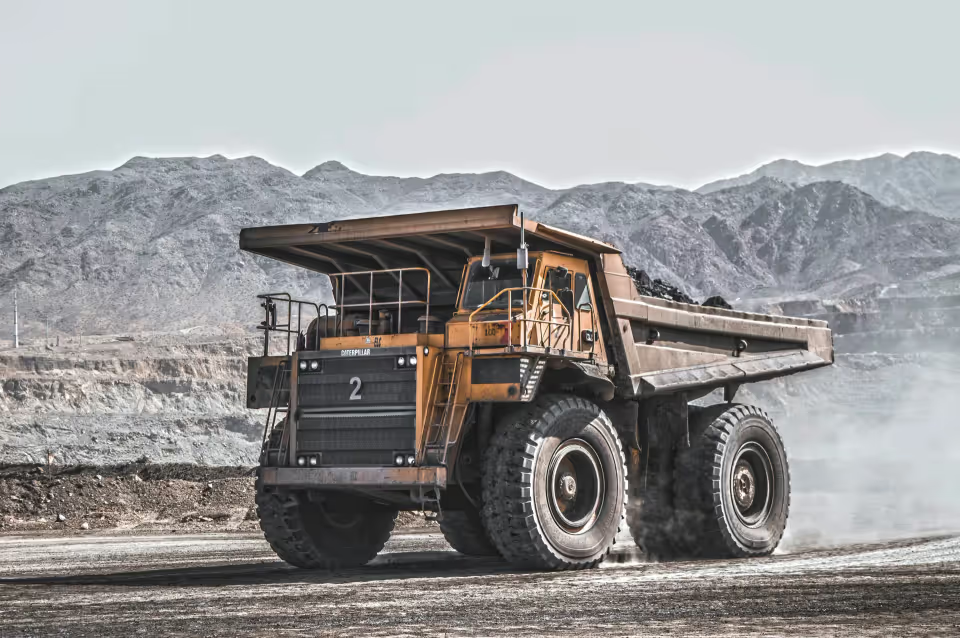
Prepare parts, workshop time and field visits around the next hire or shift.
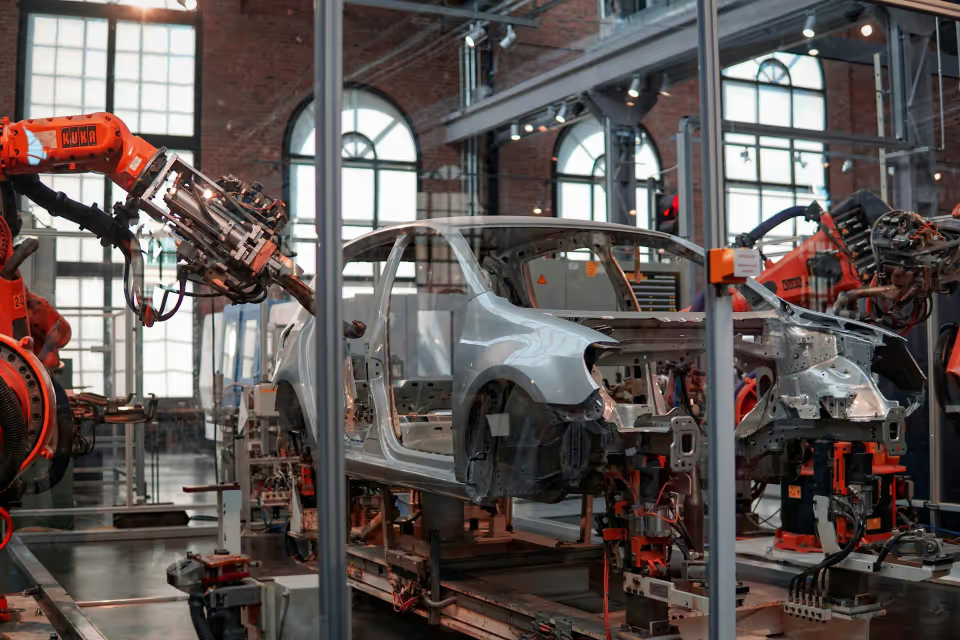
Plan work on motors, robots and production lines around the orders you need to deliver.

Bring turbine readings, specialist skills and spare parts into the plan for each site visit.

Bring aircraft condition records, parts and qualified teams into maintenance planning under your approved procedures.

Use charger faults and power readings to prepare the right technician, replacement module and site visit.
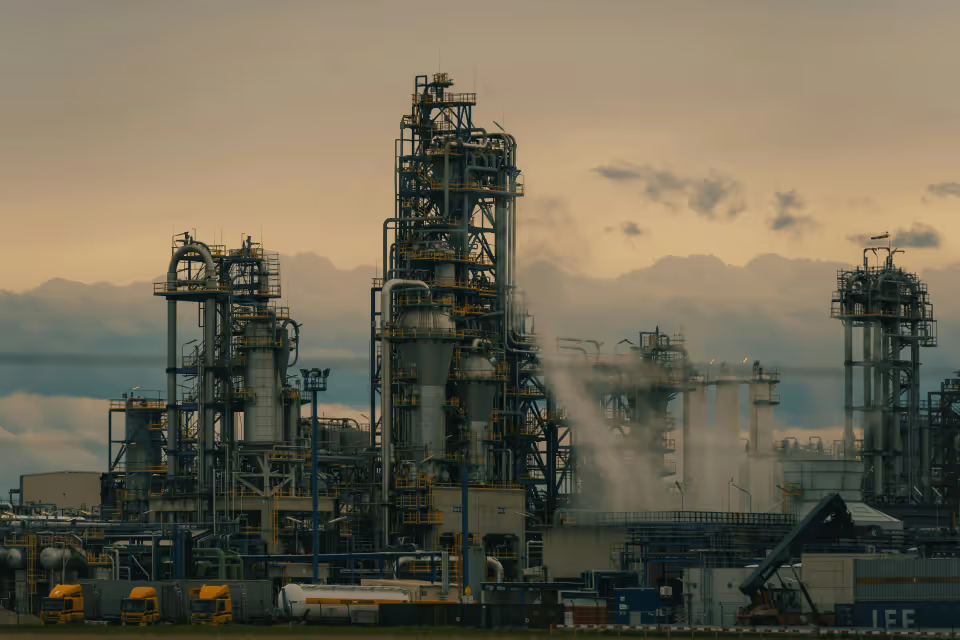
Check pump and compressor condition alongside parts lead times and the next shutdown window.
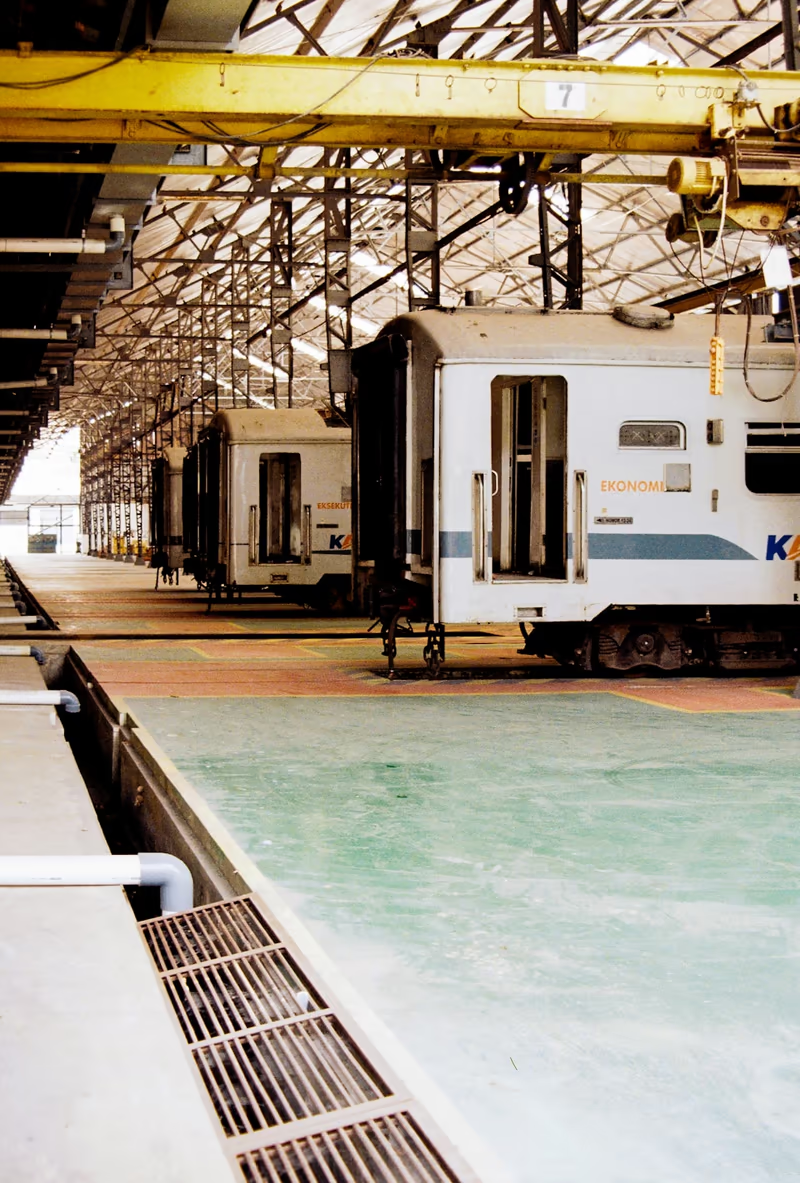
Fit inspections and repairs around service timetables, depot capacity and the parts each vehicle needs.
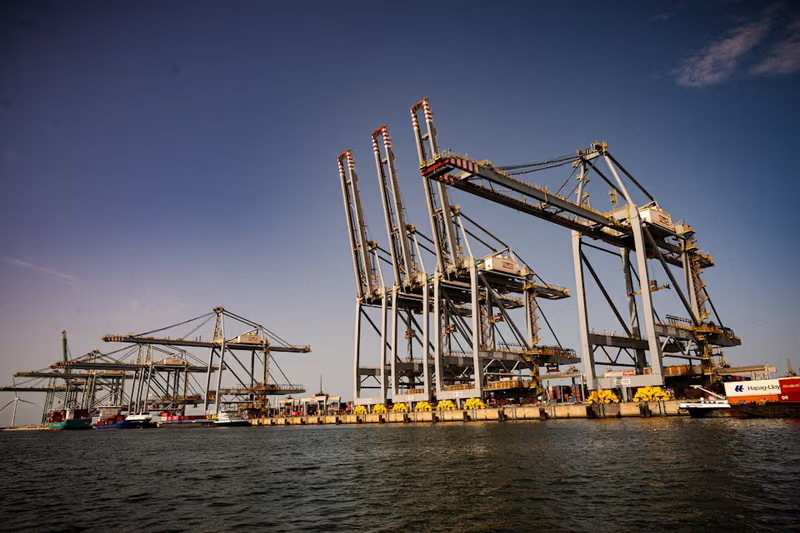
Prepare crane, handling-equipment and auxiliary-system maintenance around vessel schedules and access to the equipment.
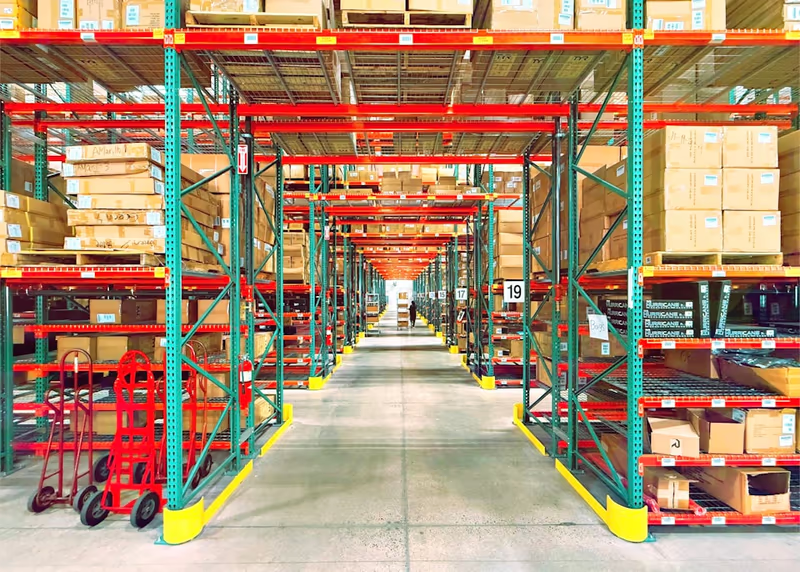
Connect conveyor and sorting-equipment signals with repair plans that account for dispatch deadlines.
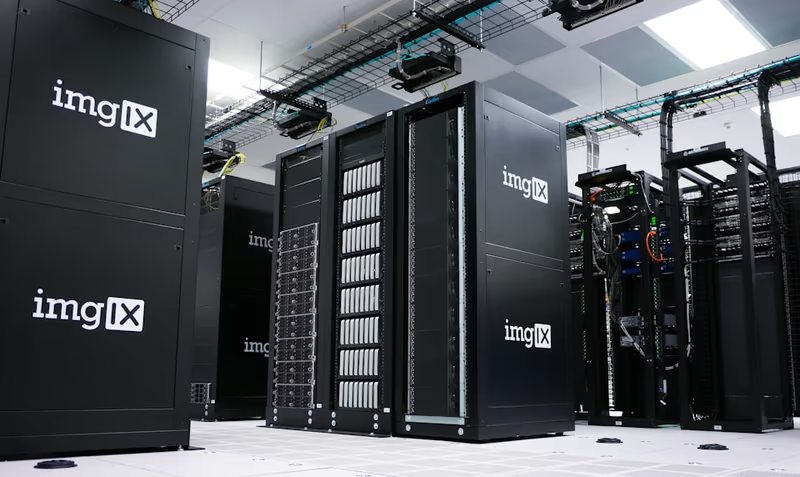
Plan cooling, backup-power and building-equipment maintenance around access, redundancy and qualified technicians.
Compressor · oil circuit
The part, the person and the window, picked and explained.
Maintenance in the tool people already carry.
What can I help you get done?
The machine raises the job before a person notices.
Talpeye flagged this leak about ten days before it happened.
Real recordings of the Talpeye app your team signs into: the dashboard, asset records, work orders and Ask Olly. Not mockups.
Sort the fleet by urgency and open the machines that need a closer look.
How it works with your machines, systems and team.
Talpeye is an industrial maintenance operating system. It brings machine readings, spare parts, technician schedules and production plans together. When a machine needs attention, your team can see what the repair needs, choose a time and approve the work.
Maintenance teams, heavy-equipment dealers and fleet operators who need to organise repairs across several systems. We start a pilot with one type of equipment and the faults your team wants to address.
Predictive maintenance helps spot a developing fault. Talpeye also checks the parts, technician and time needed to repair it. You keep your CMMS for managing work orders; we agree how to send approved jobs into it.
Your team decides what the system can do on its own and what needs approval. You can check the findings, change the plan or hold it for further review. The example on this page waits for your approval before scheduling the job.
We review your machine records, sensor readings, repair history, stock and technician schedules. Then we check how to read and update the relevant CMMS and ERP records. We use existing sensors where they provide the readings needed for the faults being tested.
We checked alerts against historical machine data, including recorded failures. The research table identifies the data sources. A pilot is the next step for testing how the alerts and repair plans work at a site.
Tell us about your machines and how you plan maintenance today. We’ll show you how Talpeye prepares a repair and discuss what a pilot would need.